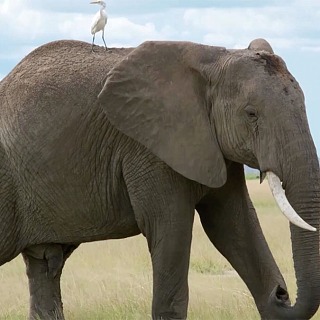
25 April 2024 Rangers pushed elephant away from human settlements // Rangers confirmed the report of a hippo carcass after reports that it was charging people // Rangers confirmed the report of a lion that was killed while attacking a cow, authorities informed // Hyena killed 1 goat
24 April 2024 Rangers prevented elephant from crossing the crop protection fence, pushed them toward national park // Rangers located tracks of hippo and tracked them til they lost visibility, more to follow // Hyena injured 2 cow calves
23 April 2024 Joint operation led to the arrest of 3 suspects with 9 sacks of sandalwood weighing approximately 285kgs // Rangers searched for the hippo reported in the previous days, did not spot them // Rangers pushed elephant away from human settlement in 2 incidents, Lion killed 12 goats and 1 cow in 2 incidents
22 April 2024 Joint operation led to the arrest of a suspect with sandalwood weighing approximately 70kgs // Leopard killed 2 goats
21 April 2024 Rangers located hippo resting under a tree by water source, they moved out of the area, are suspected to be the same from recent reports, more to follow // Joint operation to locate and treat elephant that was previously treated // Hyena killed 1 goat, lion killed 2 goats
20 April 2024 Rangers responded to the report of elephant that entered a boma, investigated and found no damage was caused // Rangers responded to the report of elephant in settlements and pushed them away // Rangers followed up from the report of hippo tracks by community water, they tracked the tracks and they headed back to national park, no damage caused // Lion killed 1 goat, Hyena killed 1 goat
19 April 2024 Rangers responded to the report of community members injured by a buffalo, taken to hospital for treatment, searched for buffalo but unable to locate it // Report received about hippo tracks near a community water source, more to follow // Rangers prevented elephant from crossing the crop protection fence in 2 incidents // Hyena killed 2 goats
18 April 2024 Rangers followed up on a land violation incident and stopped them for lack of relevant documents // Hyena killed 2 goats in 2 incidents, jackal killed 1 goat
25 April 2024 Rangers pushed elephant away from human settlements // Rangers confirmed the report of a hippo carcass after reports that it was charging people // Rangers confirmed the report of a lion that was killed while attacking a cow, authorities informed // Hyena killed 1 goat
24 April 2024 Rangers prevented elephant from crossing the crop protection fence, pushed them toward national park // Rangers located tracks of hippo and tracked them til they lost visibility, more to follow // Hyena injured 2 cow calves
23 April 2024 Joint operation led to the arrest of 3 suspects with 9 sacks of sandalwood weighing approximately 285kgs // Rangers searched for the hippo reported in the previous days, did not spot them // Rangers pushed elephant away from human settlement in 2 incidents, Lion killed 12 goats and 1 cow in 2 incidents
22 April 2024 Joint operation led to the arrest of a suspect with sandalwood weighing approximately 70kgs // Leopard killed 2 goats
21 April 2024 Rangers located hippo resting under a tree by water source, they moved out of the area, are suspected to be the same from recent reports, more to follow // Joint operation to locate and treat elephant that was previously treated // Hyena killed 1 goat, lion killed 2 goats
20 April 2024 Rangers responded to the report of elephant that entered a boma, investigated and found no damage was caused // Rangers responded to the report of elephant in settlements and pushed them away // Rangers followed up from the report of hippo tracks by community water, they tracked the tracks and they headed back to national park, no damage caused // Lion killed 1 goat, Hyena killed 1 goat
19 April 2024 Rangers responded to the report of community members injured by a buffalo, taken to hospital for treatment, searched for buffalo but unable to locate it // Report received about hippo tracks near a community water source, more to follow // Rangers prevented elephant from crossing the crop protection fence in 2 incidents // Hyena killed 2 goats
18 April 2024 Rangers followed up on a land violation incident and stopped them for lack of relevant documents // Hyena killed 2 goats in 2 incidents, jackal killed 1 goat







 LATEST NEWS
 WAYS TO GIVE



 5,000,000+
 5,000+
 6,000+
 0
0 0
0 5,000+ kg
 RADIO ROOM